
The HHSRS Has Changed: What Estate and Letting Agents Need to Know
 The HHSRS Has Changed: What Estate and Letting Agents Need to Know
If you have worked in estate or letting agency for any length of time, you will know how easy it is to focus on the obvious repair.
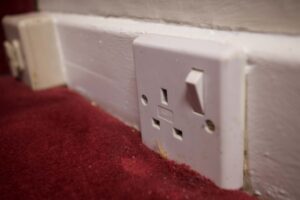
You visit a property, spot a damp patch, record a loose stair carpet or photograph a damaged socket. The issue is added to the inspection report and sent to the landlord.
But is that enough?
The Housing Health and Safety Rating System (HHSRS) asks us to look beyond the defect itself and consider the risk it creates. In June 2026, the system was updated for the first time in 20 years. The previous 29 hazards have been reduced to 21, with an updated assessment process, clearer descriptions and new baseline indicators.
As agents, we are not expected to carry out formal HHSRS assessments. However, we do need to recognise when something could place an occupier or visitor at risk, report it clearly and make sure it is followed through.
What is the HHSRS?
The HHSRS is the system used by local authorities in England to assess health and safety risks in residential property.
It is not simply a checklist of items that pass or fail. It considers:
- how likely it is that someone could be harmed;
- how serious that harm could be;
- the condition and layout of the property; and
- the person most vulnerable to that particular hazard.
The same problem can therefore create different levels of risk in different properties.
For example, a loose carpet in a rarely used spare bedroom may present a relatively low risk. The same loose carpet at the top of a frequently used staircase could be much more serious, particularly where older people or young children live in the property.
Similarly, a small amount of condensation around a bathroom window is not the same as extensive damp and mould affecting a child’s bedroom.
This is why agents need to look beyond the repair itself and ask what might happen if it is left unresolved.
What has changed?
The revised HHSRS came into force on 23 June 2026. The most obvious change is that the previous 29 hazards have been reduced to 21.
Some hazards with similar causes and potential outcomes have been brought together. For example:
- fire and explosions are now assessed together;
- falls on level surfaces and falls associated with baths and showers have been combined;
- food safety, domestic hygiene, pests, refuse, sanitation and drainage are now considered within the broader domestic hygiene hazard; and
- several pollutants and combustion related risks have been brought together as indoor air pollutants.
Other hazards remain separate. Damp and mould, excess cold, asbestos, lead and radiation each continue to have their own category.
The intention is to make the system clearer and easier to apply. It does not reduce a landlord’s responsibility to provide a safe home.
The 21 hazards
The updated hazards are grouped into four broad areas.
Physiological requirements
These hazards relate mainly to the physical health of the occupiers:
- Damp and mould growth
- Excess cold
- Excess heat
- Asbestos and manufactured mineral fibres
- Lead
- Radiation
- Indoor air pollutants
Agents are likely to encounter some of these hazards during ordinary property visits. You may notice mould around windows, rooms that are difficult to heat, damaged materials that may contain asbestos or possible problems with fuel-burning appliances.
You are not expected to diagnose the cause or test the property yourself. Your role is to recognise that further investigation or action may be required.
Psychological requirements
These hazards relate to the way the property may affect an occupier’s wellbeing and sense of security:
- Crowding and space
- Entry by intruders
- Lighting and obstructed views
- Noise
For example, damaged locks or windows that do not close securely may increase the risk of entry by intruders. Poor lighting may contribute to accidents as well as affecting an occupier’s wellbeing.
Protection against infection
The two hazards within this area are:
- Domestic hygiene
- Water supply
Domestic hygiene now covers several matters that were previously treated as separate hazards. These include food safety, pests and refuse, and personal hygiene, sanitation and drainage.
During an inspection, this could mean looking for evidence of pests, leaking pipework, defective bathroom facilities, blocked drainage, poor refuse storage or inadequate facilities for safely preparing and storing food.
The water supply should also be safe, reliable and suitable for drinking, cooking and personal hygiene.
Protection against accidents
These hazards cover many of the problems agents commonly encounter during property inspections:
- Falls on the level
- Falling on stairs and similar
- Falling between levels
- Electrical hazards
- Fire and explosions
- Flames, hot surfaces and similar
- Collisions, entrapment and ergonomics
- Structural collapse and falling elements
A loose carpet, damaged step, missing handrail, unsafe balcony, exposed electrical wiring or loose roof tile may all create a risk of serious injury.
The updated “Falls on the Level” category also includes risks associated with baths, showers and similar facilities. This could include excessively slippery surfaces or inadequate support for someone entering or leaving a bath.
The collisions, entrapment and ergonomics category includes matters such as unsafe glazing, defective doors, low ceilings, poorly maintained gates and amenities that are difficult to reach or operate safely.
What are the new baseline indicators?
The revised guidance introduces baseline indicators to help identify common deficiencies and the property measures that may reduce risk.
These indicators are not a separate set of mandatory standards. Meeting them does not automatically mean that a property is free from hazards, and they do not replace a full risk-based assessment.
However, they can provide useful reference points for landlords and agents.
For example, an inspection form may confirm that a handrail is present. A proper inspection should also establish whether it is secure, in good condition and safe to use. Similarly, recording that a heating system has been installed does not confirm that it works properly or can maintain a healthy temperature.
The baseline indicators should support professional judgement rather than turn inspections into a simple tick box exercise.
What might an agent notice?
The HHSRS becomes easier to understand when you apply it to an ordinary working day.
A property manager may notice mould developing behind furniture during a routine inspection. A valuer may see a missing handrail while walking upstairs. A negotiator conducting a viewing may discover that a window does not lock. An estate agent may notice loose roof tiles or a deteriorating ceiling during a market appraisal.
None of these agents is carrying out a formal HHSRS assessment or condition survey. However, once an obvious concern has been identified, it should not be ignored.
During property visits, remain alert to:
- damp, mould, condensation or musty smells;
- inadequate heating or rooms that are difficult to keep warm;
- loose carpets, uneven floors or damaged steps;
- missing or insecure handrails;
- exposed wiring, damaged sockets or signs of electrical burning;
- blocked escape routes or obvious fire risks;
- insecure external doors and windows;
- defective drainage or evidence of pests;
- unsafe balconies, windows or changes in floor level; and
- loose roof tiles, unstable walls or damaged ceilings.
A useful question to ask is:
If this issue is left unresolved, could somebody be harmed?
If the answer may be yes, it should be properly recorded, reported and followed up.
Category 1 and Category 2 hazards
Following a formal assessment, hazards are divided into two categories.
Category 1 hazards present the most serious risks. Where a local authority identifies a Category 1 hazard, it must take the most appropriate enforcement action.
Category 2 hazards are less serious, but they may still affect the health, safety or wellbeing of the occupiers. Local authorities have the power to take action where appropriate.
This does not mean landlords should wait until a hazard becomes serious enough to trigger formal enforcement. Addressing problems early is generally safer, less expensive and less disruptive.
Stronger consequences for landlords
The updated system sits alongside stronger local authority enforcement powers.
Since 22 June 2026, a local authority in England may impose a financial penalty of up to £7,000 where a landlord or other responsible person fails to remove a Category 1 hazard and it would have been reasonably practicable to do so.
This is in addition to existing enforcement options, which include improvement notices, prohibition orders and emergency action.
For an agency, this makes an effective reporting and follow up process particularly important. Sending the landlord an inspection report may demonstrate that the problem was raised, but it does not make the property safe.
Someone within the agency should remain responsible for checking that urgent work has been instructed and completed. If a landlord is reluctant to act, the agency should clearly explain the risk, record the advice given and follow its escalation procedures.
What should letting agents do?
Property managers and letting agents are often the property professionals who visit rented homes most frequently. This places them in a good position to identify potential hazards before they become more serious.
When you identify a possible hazard:
- Record what you have observed without making assumptions about the cause.
- Take clear photographs where appropriate.
- Report the concern to the landlord promptly.
- Explain where urgent action or specialist investigation may be required.
- Record the landlord’s instructions and the agreed timescale.
- Follow up until the issue has been properly addressed.
Remember, your role is not to assign an HHSRS score or give advice outside your expertise. It is to recognise a potential risk, advise the landlord appropriately and make sure the concern is not overlooked.
What does this mean for estate agents?
The HHSRS is often discussed as a lettings issue, but it applies to residential premises more widely.
A market appraisal is not a survey, and estate agents should be clear about the limits of their inspection. However, you may encounter obvious problems that could affect the seller’s preparations, the information provided to prospective buyers or the progress of the transaction.
If you see extensive mould, an unsafe staircase or signs of structural movement, do not offer a technical opinion outside your expertise. Explain what you have observed, recommend that the seller obtains appropriate specialist advice and keep a record of the conversation.
This is not about presenting yourself as a surveyor. It is about acting as a careful and professional agent when something clearly requires attention.
What should your agency do now?
Have a look at your agency’s current processes.
Does your inspection template reflect the revised 21 hazards? Does it encourage staff to consider the potential risk, or does it simply record general condition and outstanding repairs? Is it clear who must follow up with the landlord?
Your agency should:
- update relevant inspection templates;
- train staff to recognise common warning signs;
- agree which concerns require immediate escalation;
- clearly record the advice given and the landlord’s response; and
- follow up reported hazards until appropriate action has been taken.
Good hazard awareness is not about turning agents into environmental health officers. It is about noticing what is in front of us, understanding why it matters and taking appropriate action.
That is what professional agency looks like in practice.
The Government has published an updated landlord and agent guide to the HHSRS, together with revised operating guidance and practical case studies.